Published July 19, 2026 · 5 min read
Written by ImHurd Team
How to Make Friends as an Adult
Adult friendship isn't broken. It's just different. A warm, honest look at why it feels harder now — and how real friendships still start.
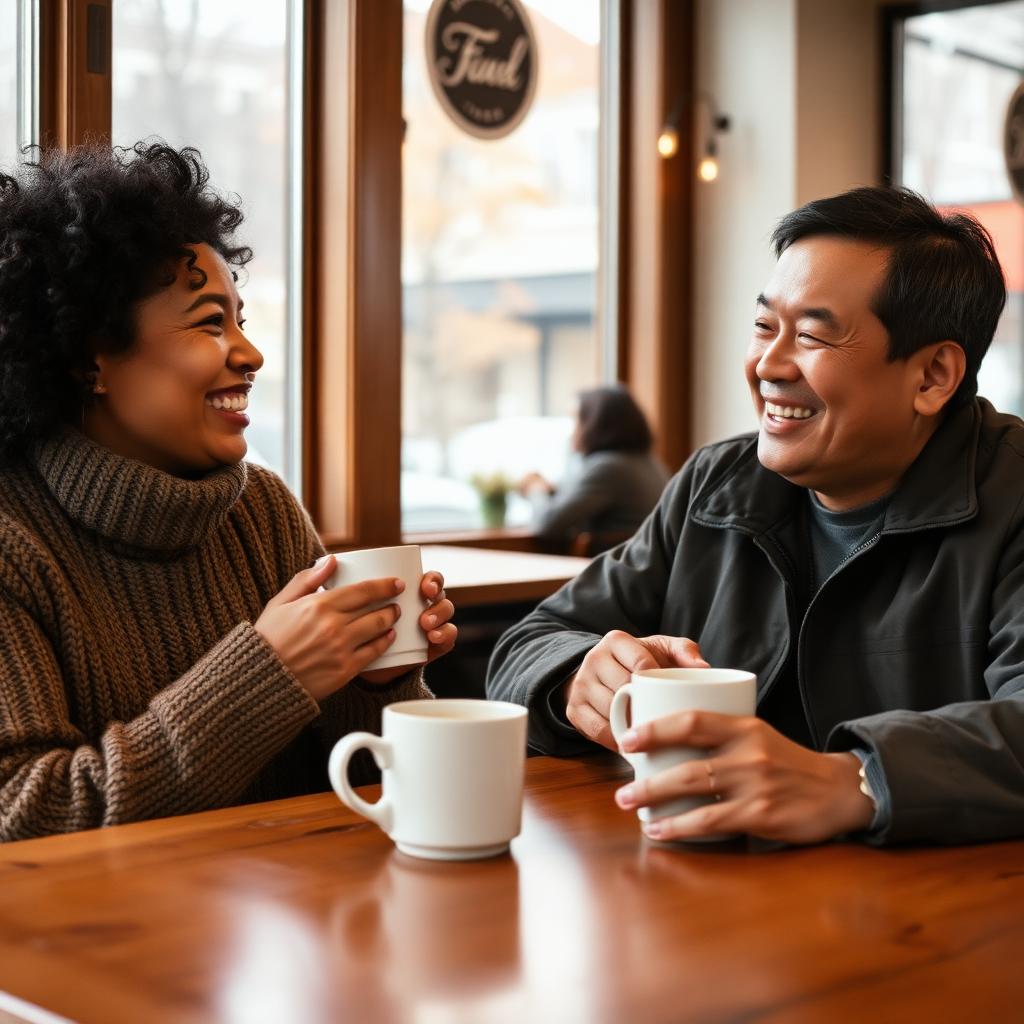
At some point, most of us look up and realize we don't really know how this part works anymore.
In school, friendships kind of happened. You sat next to someone. You had the same lunch. You both hated the same class. You didn't have to schedule anything.
Then adulthood arrives and the whole thing starts requiring effort.
You have to plan. You have to text back. You have to be the one who suggests coffee. And when nothing's on the calendar, weeks quietly slip by without a real conversation with anyone who isn't a coworker, a partner, or a screen.
It isn't just you
If you've been feeling this, it isn't because something's wrong with you. It isn't because you're bad at friendship. It's because the shape of a day changed.
We spend more time indoors. More time alone. More time in group chats that feel active but never actually add up to seeing someone.
Everyone is tired. Everyone is a little overbooked. Everyone assumes their friends are doing fine because their friends look busy on the internet.
The result is a strange kind of loneliness — surrounded by people, short on the kind of contact that actually registers.
What actually starts a friendship
Adult friendships almost never begin with a grand moment. They begin with the small ones we usually skip.
The small ones look like this:
- Saying more than "good, you?" when someone asks how you are.
- Following up on something someone mentioned last week.
- Being the person who says "want to grab something this weekend?" out loud, even when it feels awkward.
- Staying five extra minutes after class, practice, or a work thing.
- Letting a conversation with a stranger last a beat longer than politeness requires.
None of that is bold. None of it is a personality trait. It's a series of tiny decisions to be slightly more available than the moment asks for.
Regularity beats chemistry
Most adults are waiting to feel a click before investing in someone.
That's backwards.
The click usually shows up on the third or fourth low-stakes hangout, not the first. The people you end up close to are almost always the ones you kept casually running into on purpose.
Pick one thing that puts you near the same humans regularly — a run club, a class, a bar you like, a volunteer shift, a hobby league, a co-working spot. Show up more than once. That's most of it.
The part that's actually hard
Here's the honest part.
Making friends as an adult isn't hard because the mechanics are complicated. It's hard because it asks you to be vulnerable enough to want something without knowing if it'll be returned.
You'll invite someone who doesn't invite you back. You'll open up a little and the other person won't. You'll build up to a hangout that ends up feeling flat.
That isn't failure. That's the price of admission for the ones that do work.
The people who end up with warm, close friendships in their 30s and 40s aren't luckier. They're just less afraid to be the first one to reach out.
A gentler starting point
If any of this hits, you don't have to overhaul your life.
Text one person you liked and lost track of. Not a whole apology. Just: "You've been on my mind lately. How are you actually doing?"
Most people will be quietly relieved you asked.
That's usually where it starts.
Continue reading:
Keep reading
Relationships
Online Dating Is Basically an Escape Room 😂
A warm, funny look at the profile mysteries, sunglasses collections, and group-photo detective work that make modern dating feel like a puzzle nobody signed up for.
Parenting
The Ways Children Quietly Change Us
Part 2 of Nobody Hands You a Manual. A warm, honest reflection on how becoming a parent slowly changes us — our attention, our courage, our sense of wonder — often without us realizing it.
Parenting
The Invisible Mental Load of Parenting
Nobody hands you a manual. An honest look at the quiet, invisible weight of raising another human — and why loving someone that much means your brain never really clocks out.
People often read this right before starting a conversation.
If any of this resonated,
you can talk to someone.
Start a conversationPrivate · Anonymous · No account needed